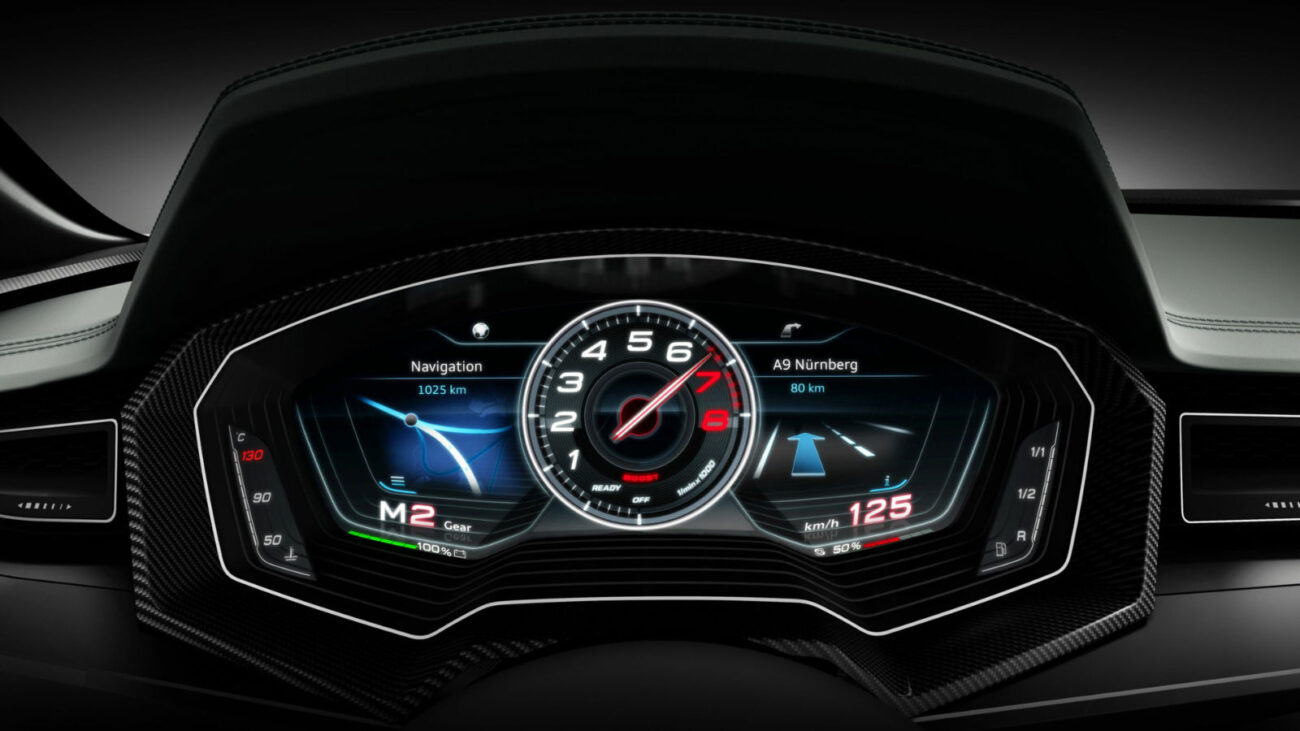



What Are Digital Clusters?
In the rapidly evolving automotive industry, digital clusters are becoming a hallmark of innovation. These digital displays replace traditional instrument panels, offering drivers a comprehensive overview of vehicle information in real-time. Digital clusters transform the driving experience, providing enhanced graphics and customizable options that are tailored to user preferences.
Advantages of Digital Clusters
One of the primary advantages of implementing digital clusters in cars is the ability to present data in a clear and user-friendly manner. Drivers benefit from intuitive interfaces that effectively communicate critical information, such as speed, fuel consumption, and navigation directions. Moreover, digital clusters can integrate with smart technology, thereby allowing drivers to connect their smartphones seamlessly. This adaptability is crucial in today’s tech-driven world, where consumer expectations are continually evolving.
The Future of Digital Clusters in Vehicles
As automotive technology advances, digital clusters are expected to become even more sophisticated. Future vehicles may incorporate augmented reality features to provide an immersive driving experience. For instance, digital clusters could overlay significant data on the windshield, making information readily accessible without distracting drivers. This innovative approach not only enhances safety but also leads to a more engaging interaction between the driver and vehicle.
In conclusion, digital clusters in cars represent a significant leap forward in automotive design and user experience. As the demand for smarter vehicles increases, the integration of advanced digital displays will undoubtedly lead the way towards the automotive future.